A decade of cloud computing trained organizations to think stateless: spin up, execute, discard. Now the grammar inverts. What scales next will not be functions that forget, but agents that accumulate.
Pattern in Formation
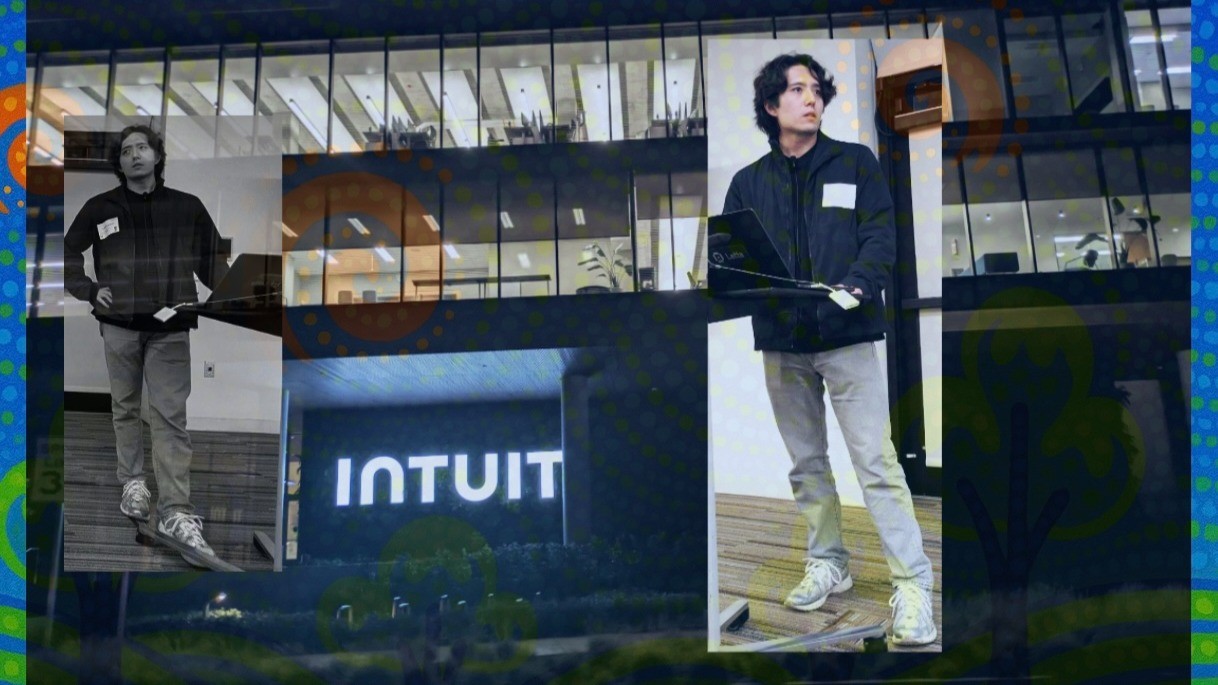
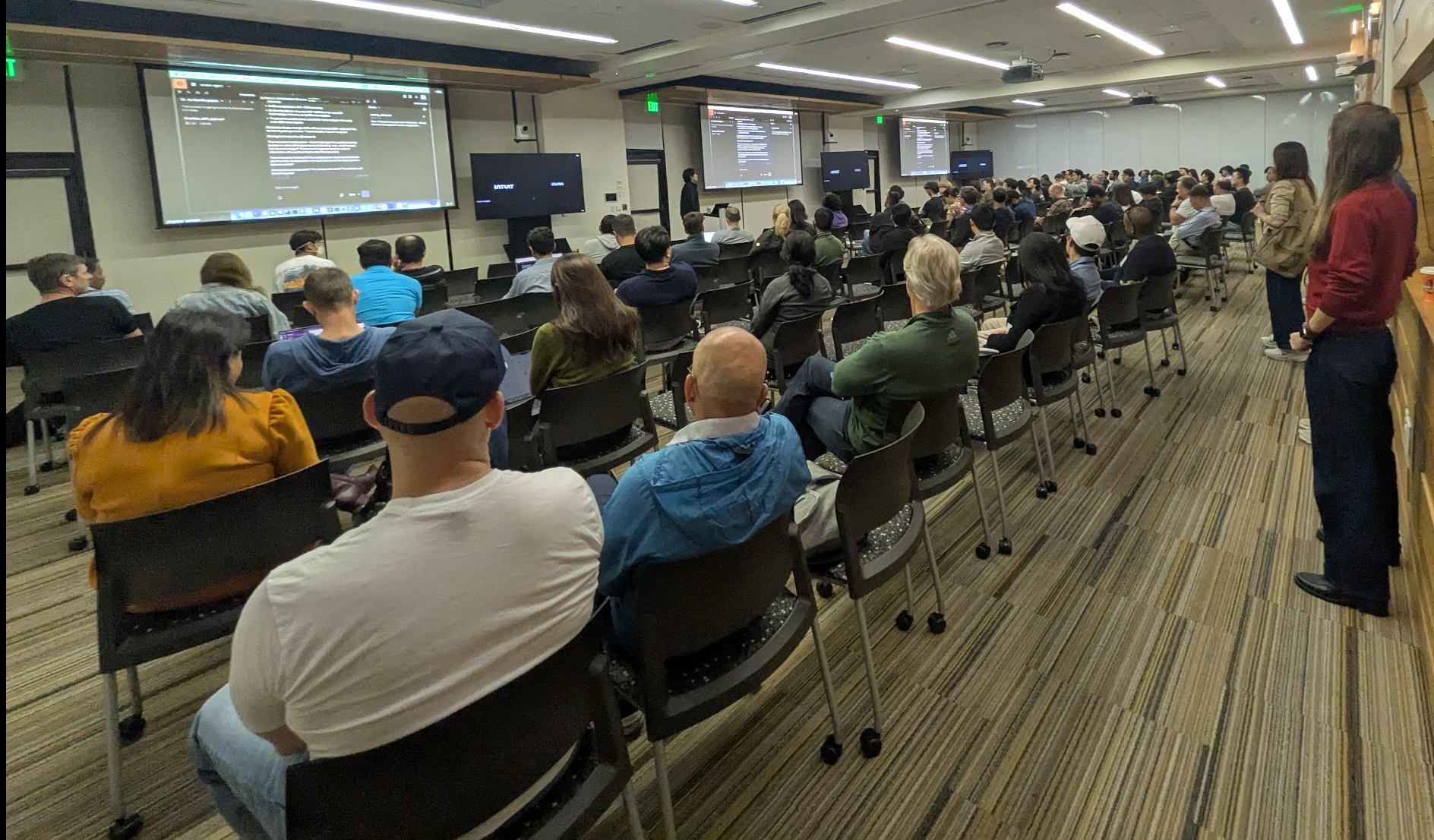
At Intuit HQ last night, one event brought two worlds into focus: Charles Packer of Letta and Intuit’s AI leaders. A shared signal emerged: memory as infrastructure. Letta explores it architecturally. Intuit operationalizes it at scale. Both ask: what happens when AI stops resetting?
Letta and the Perpetual Agent
“We call them perpetual agents, systems that can learn, remember, and evolve over time.”
Charles Packer’s team is designing open agents with continuous state. His framework is simple: two memories matter. In-context (ephemeral) and out-of-context (persistent).
Current chat systems lose coherence when context windows fill. Letta treats memory as cloud-native infrastructure, with persistent blocks written remotely rather than cached locally. Stateless software scales by duplication. Stateful agents scale by accumulation, each interaction reshaping future behavior.
As Packer put it, “The move is from workflows to learning loops.” Agents gradually compose their own operating system, a kind of Memory OS where context and identity converge.
Intuit’s Parallel Trajectory
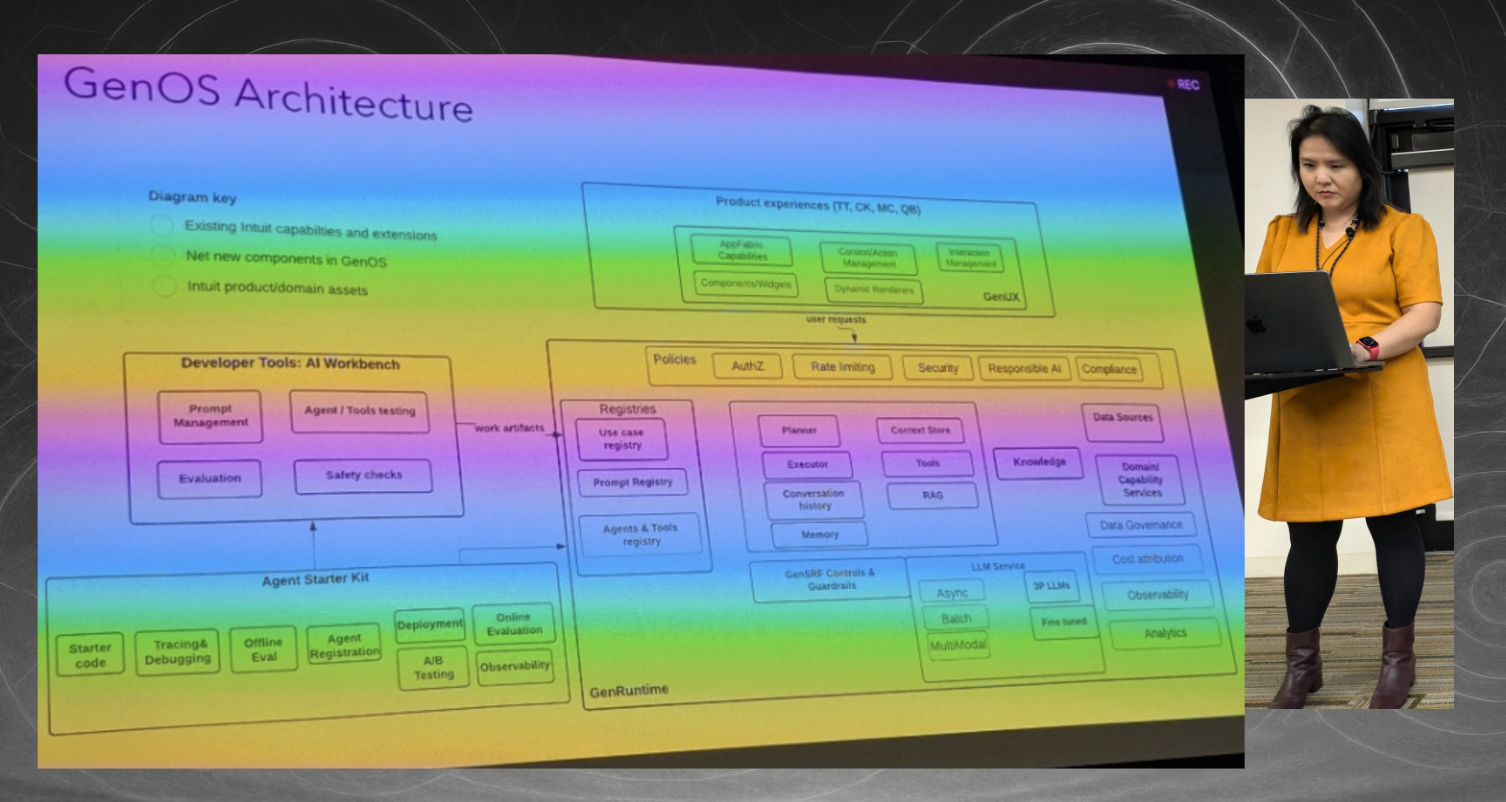
At Intuit, that principle appears in enterprise form. Director of Product Management Tingwei Huang described GenOS, the internal platform powering more than 13,000 builders and 3,500 agent use cases.
“Agent development is a new way of software development.”
The platform lets engineers prototype, evaluate, deploy, and monitor agents through familiar tools. AI development now lives inside the workflow rather than beside it.
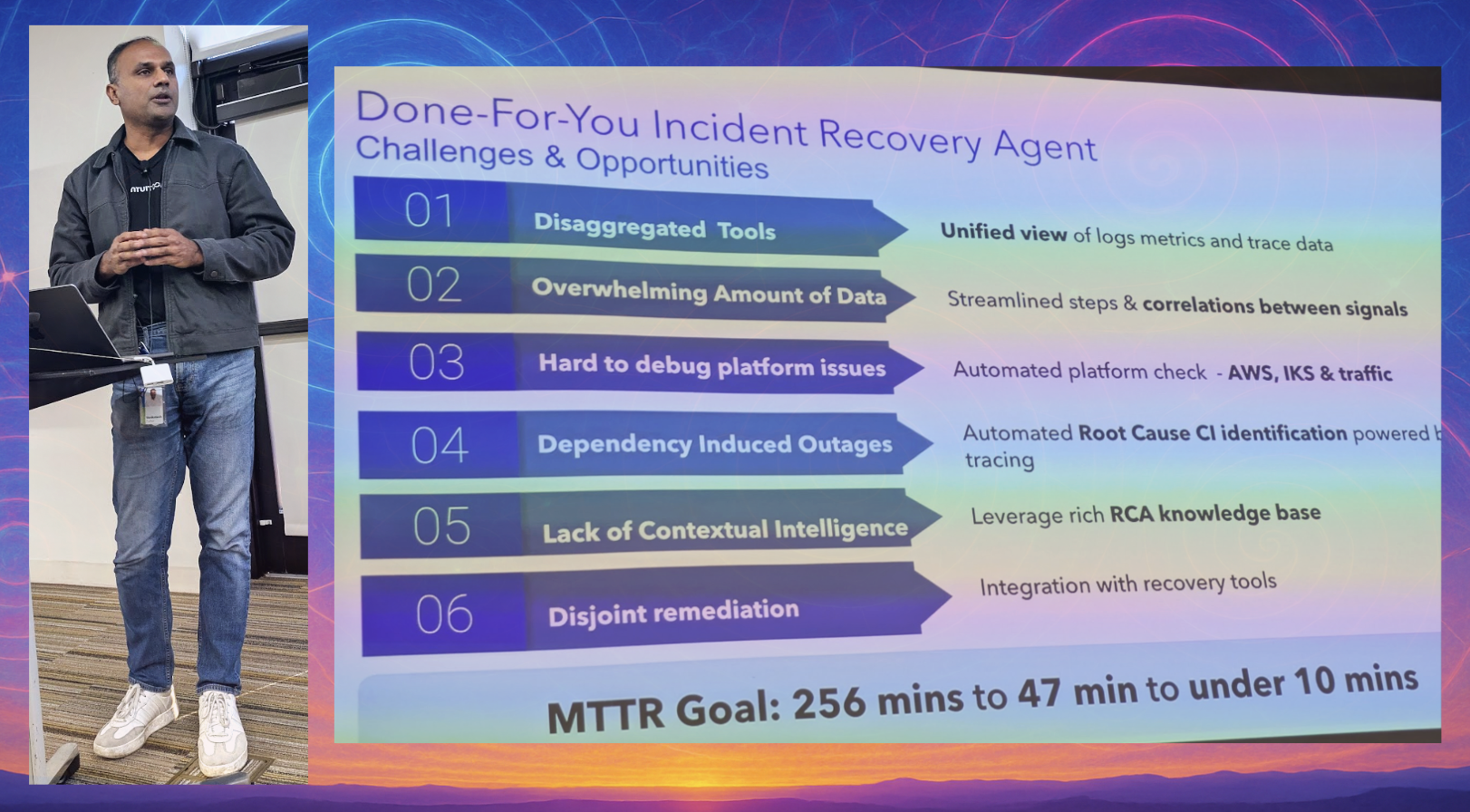
Venkatesh Rangarajan’s Recovery Agent shows the pattern in production: “We’re using LLM as a Judge to measure the agent’s accuracy and usefulness.” Every incident feeds the next iteration, turning operational memory into resilience.
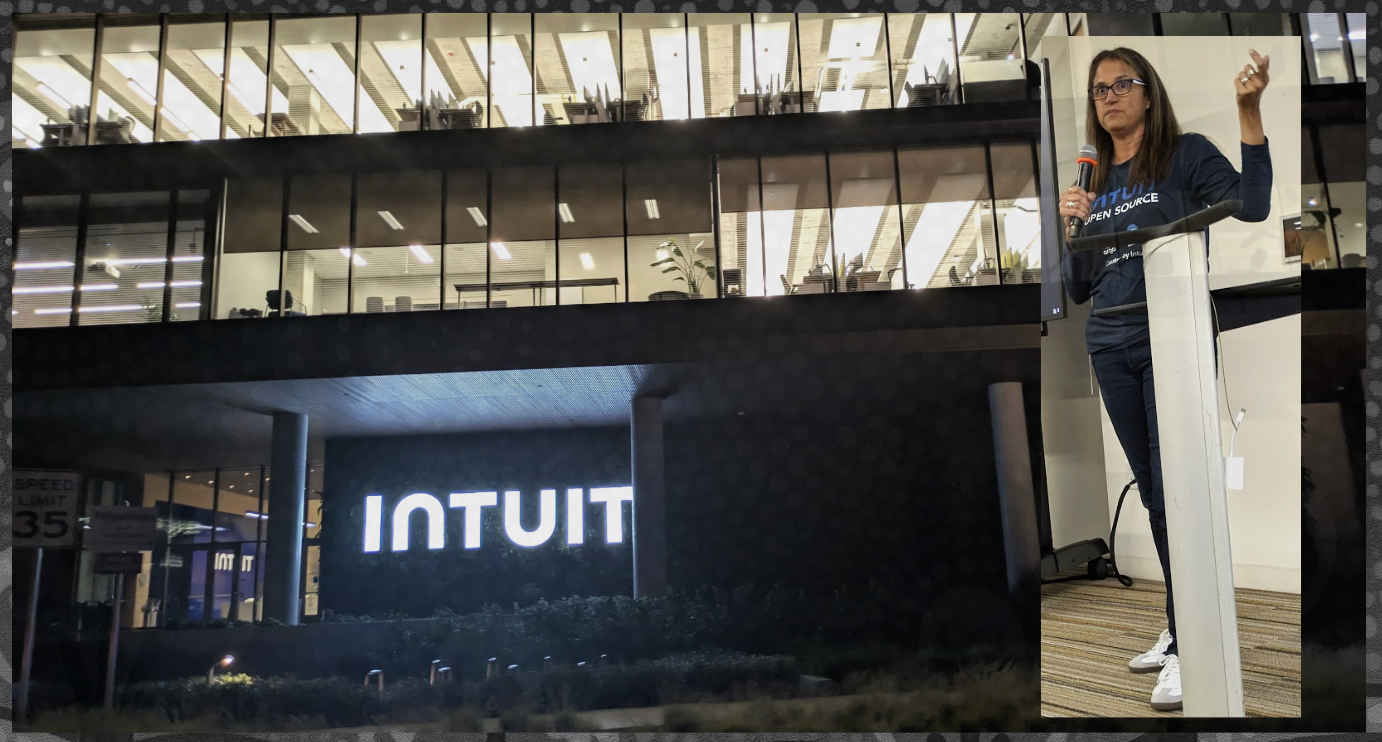
Lisa-Marie Namphy reminded the audience,
“Argo is the third most popular project in the CNCF, behind Kubernetes and Open Telemetry. We build what we need, then donate it when more than us needs to maintain it.”
Open source as living recall.
Memory as Reliability Layer
Reliability once meant redundancy: more servers, tighter monitoring. Now it means retention: systems that recall what failed and why.
In a stateless cloud, every request is born ignorant. In a stateful network, knowledge accumulates between requests.
Infrastructure becomes cognitive. Memory is not auxiliary. It is structural, a layer between model and mission.
Compute executes. Storage retains. Memory interprets and evolves.
Open Source as Collective Memory
Build, share, evolve. Organizational intelligence externalizes into collective infrastructure. Intuit’s Argo and Numaflow, Letta’s open memory primitives, each turn private learning into public architecture. The result is a distributed cognition network where memory federates rather than centralizes.

Strategic Consequences
For engineers: version what agents knew, not only what they know. Define forgetting policies as precisely as retention policies. Architect context windows ethically as well as efficiently.
For organizations: quality now includes reasoning continuity. Who decides when organizational memory becomes liability? How can learning be audited without freezing evolution?
For the ecosystem: contributors are adding memories to a global corpus. Can shared infrastructure remember collectively without eroding privacy individually?
Convergence Pattern
Letta prototypes the substrate, minimal memory kernels. Intuit builds the scaffolding, governance, teams, open ecosystems. Different altitudes. Same terrain. From inference pipelines to lifelong systems.
“We’re building agents you can use your entire life, and they get better from every experience,” Packer said. Huang completed the arc: “AI development is no longer a specialty; it’s becoming how software itself evolves.”
Closing Reflection
State was once a cost to minimize. Now it is a capability to cultivate. Letta shows memory can be designed. Intuit shows it can be shared.
The emerging economy will not compete on compute speed. It will compete on what remembers, and what that memory becomes.
Thanks to emcee Christy Bergman & organizers Marina Wolters Rihani et al.
https://bsky.app/profile/schwentker.bsky.social/post/3m3qr22exac2e