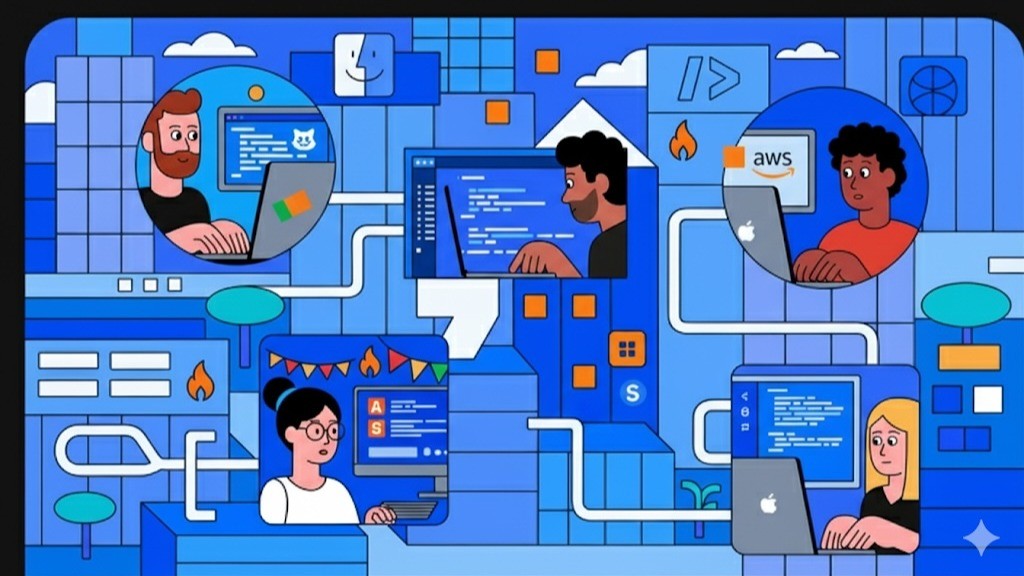
Competition for developer mindshare in AI has shifted. The companies that win aren’t just building better models: they’re building better teachers.
After analyzing 15 leading AI platforms, from GitHub Copilot to NVIDIA DLI, a clear pattern emerges: education has evolved from marketing afterthought to product-led growth engine. The winners aren’t just shipping APIs; they’re shipping complete learning ecosystems that turn casual users into certified advocates.
New Table Stakes: In-Workflow AI Assistance
The most successful pattern? Meet developers where they already are. GitHub Copilot didn’t succeed because it was the smartest AI: it succeeded because it lived in VS Code. Users report 55% productivity gains not from switching contexts, but from staying in flow.
Sourcegraph Cody takes this further with ‘code graph’ technology, allowing it to understand an entire codebase, not just the file at hand. Users save 5-6 hours weekly because the AI sees what they see. Tabnine carved out enterprise wins by going fully air-gapped, proving that understanding your audience’s constraints matters more than raw capability.
The lesson: Don’t make developers come to your education. Bring education to their workflow.
Beyond Docs: Lab-First Learning Revolution
Passive content is dead. The platforms driving real adoption have shifted to hands-on, interactive learning that mirrors real work.
NVIDIA’s GPU labs show 48% higher completion rates than video courses. Why? Because developers can train actual models without expensive hardware. AWS Cloud Quest gamifies learning through 3D environments, driving 20% more course starts. Microsoft Learn uses micro-badges & XP systems to sustain weekly engagement.
The insight: Modern developers learn by building, not watching. The most effective education feels like work, not school.
Certification Multiplication Effect
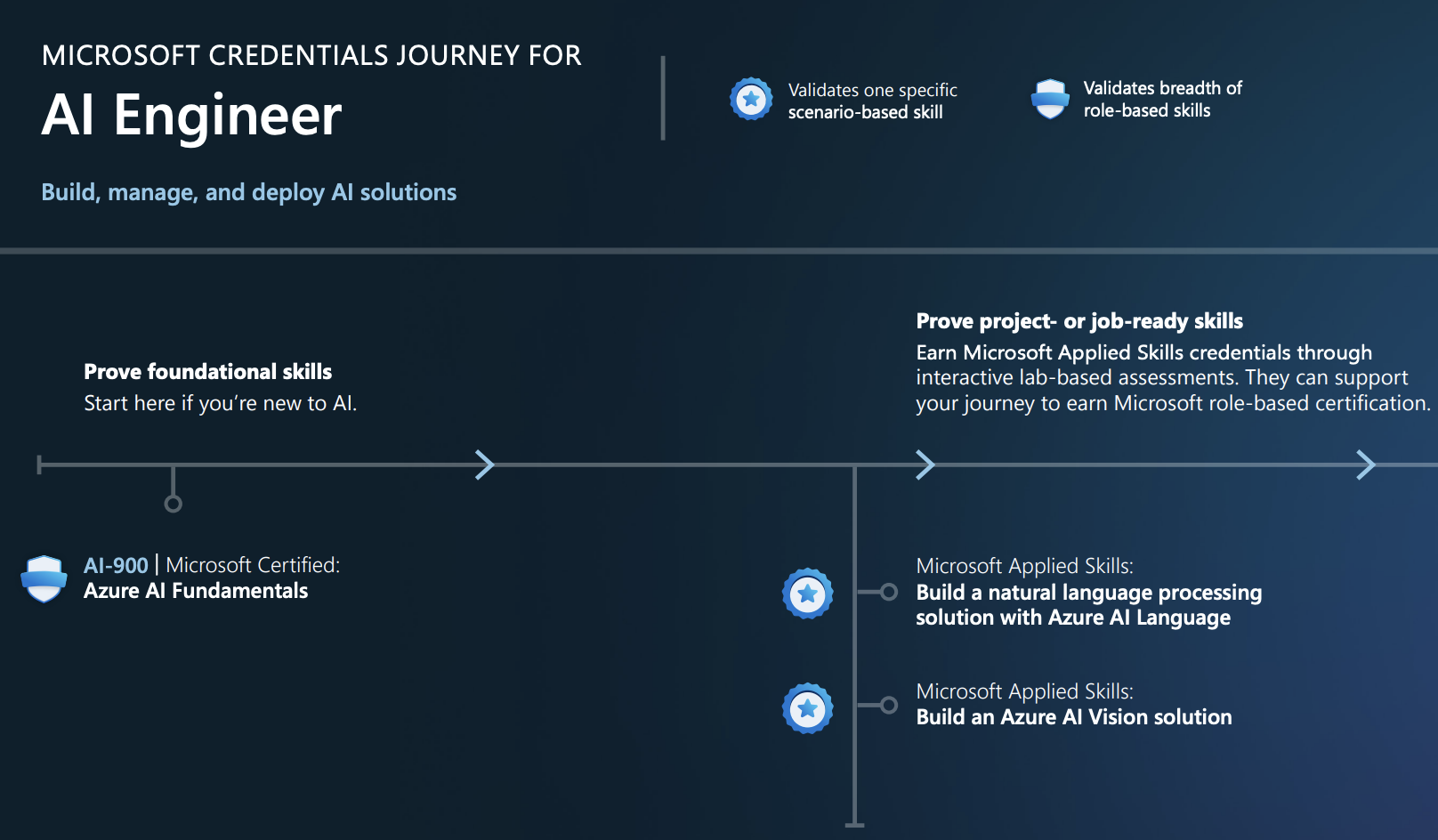
Here’s what most companies miss: certifications aren’t just learning outcomes. They’re marketing amplifiers. When someone earns an AWS or Microsoft AI certification, their LinkedIn post generates 2-3x more impressions than official product announcements.
This creates a viral loop: education drives certification, certification drives social proof, social proof drives adoption. The platforms with tiered certification programs (Practitioner → Professional) create sustainable advocacy engines where graduates become recruiters.
But there’s a cautionary tale: TensorFlow’s certification closure in 2024 created an advocacy vacuum that competitors immediately exploited. Community engagement in related courses declined without a credible goal to anchor the learning journey.
Hidden ROI: Measuring What Matters
The enterprise buying process has evolved. It’s not enough for developers to love your tool. Finance needs proof of ROI. The smartest platforms now provide customer-facing dashboards showing productivity gains, time savings, & business impact.
GitHub Copilot sets the standard here with enterprise analytics that quantify developer velocity. This data-driven approach turns renewal conversations from “developers like it” to “here’s exactly how much time we saved.”
Community Multiplier
The ultimate goal isn’t just education: it’s evangelism. The best programs create self-sustaining ecosystems where expert users become teachers.
GitHub Campus Experts & PyTorch Ambassadors generate 60%+ of new community tutorials. NVIDIA’s University Ambassador program scales workshops globally through trained advocates. These programs turn education costs into community assets.
The key: Don’t just train users. Train trainers.
Enterprise Governance Gap
Most AI education programs have a blind spot: governance. While developers want to move fast, enterprises need to move safely. The platforms addressing this (like IBM Watsonx with mandatory responsible AI modules) are winning enterprise deals.
Smart companies are building governance into the curriculum from day one, not bolting it on later. This isn’t just compliance theater; it’s competitive advantage in regulated industries.
What’s Next: Integration Opportunity
The next wave of AI education will be deeply integrated with the platforms themselves. Instead of separate learning portals, imagine tutorials that appear contextually in your IDE, certifications that unlock platform features, & community forums embedded in error messages.
The winners will blur the lines between education & product until learning becomes indistinguishable from using.
Bottom Line
Developer education is no longer about nice-to-have tutorials. It’s about creating learning systems so valuable that developers advocate for your platform internally. It’s about turning education into a distribution channel that scales organically.
The companies that understand this (that invest in quickstarts, sandboxes, certifications, & community programs) won’t just win developers. They’ll win the enterprises those developers influence.
The playbook is clear. The question is: who’s ready to execute it?
What patterns are you seeing in developer education? How is your organization thinking about turning learning into advocacy?