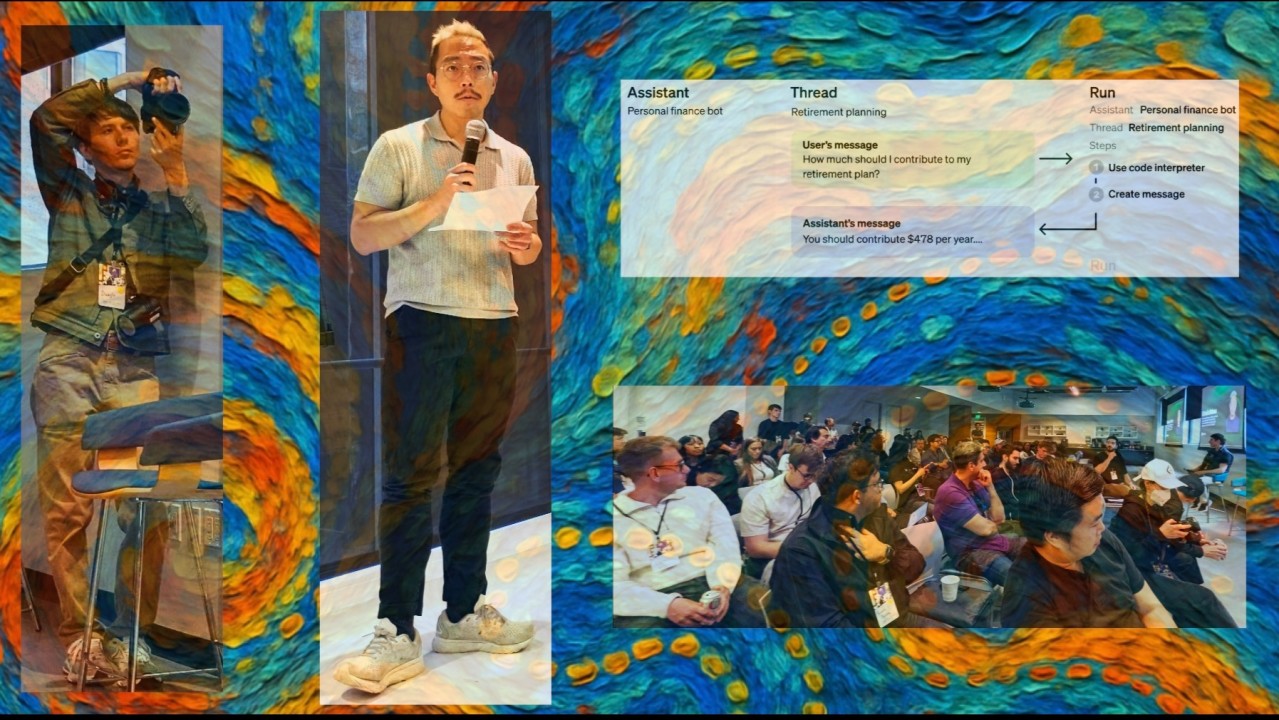
Following my recent article on Coinbase’s groundbreaking x.402 payment protocol announcement, Edwin Wee Arbus delivered an insightful talk right after the Coinbase preso. Edwin currently leads the dev community OpenAI.
From Stripe to OpenAI: A Journey Through Tech Innovation
Edwin shared his fascinating journey spanning nine years Stripe (2015-2024), where he worked across operations & comms before joining OpenAI. What struck me most was his revelation that HTTP 402 (Payment Required) was actually in Stripe’s original 2010 pitch—the very protocol that Coinbase has now reimagined with x.402!
“The HTTP 402 was in the original pitch for Stripe in 2010,” Edwin noted. “We abandoned it because we realized that for a one-dollar payment, people would be paying 30 cents in fees, but it makes more sense for Windows.”
Why Now Is the Perfect Time to Build
Despite today’s economic uncertainty—markets down 4-5%, recession concerns, AI spending critiques, and proclamations that “fintech is dead”—Edwin offered a refreshing perspective:
“Right now is probably the best time ever to build a company,” he emphasized. “Most successful businesses have started during recessions and tough times that force us to be more optimistic and focus on real problems.”
He pointed to Stripe’s own origin during the 2009 recession, alongside other success stories born in economic downturns:
-
Airbnb (2008)
-
Uber (2009)
-
An estimated 50% of current Fortune 500 companies
The Winding Path to Product-Market Fit
Edwin shared compelling stories of companies whose final forms differed dramatically from their original concepts:
-
Stripe: Started as a solution for eBay entrepreneurs managing listings, pivoted when they discovered payment acceptance challenges
-
Ring: Founder Jamie Siminoff was working on an automated gardening gadget when delivery issues led to creating a doorbell camera
-
ChatGPT: Initially released as “a free, low-key research preview” that no one at OpenAI predicted would become the fifth most visited site worldwide
The key lesson? “Stay flexible and be persistent. Your startup’s final form might be very different from your mirror core idea.”
Navigating the Developer Community Transition
When asked about his personal transition from operations/communications to leading OpenAI’s developer community, Edwin revealed that his Stripe experience had prepared him well: “My job was to answer every single question about integrating Stripe on the internet. I got really used to talking to people, especially online.”
This expertise in developer relations proved invaluable as he joined OpenAI during its explosive growth phase.
OpenAI’s Payments Strategy
Several audience members were curious about OpenAI’s approach to payments:
Q: What is OpenAI doing in the world of payments? Would you potentially adopt x.402?
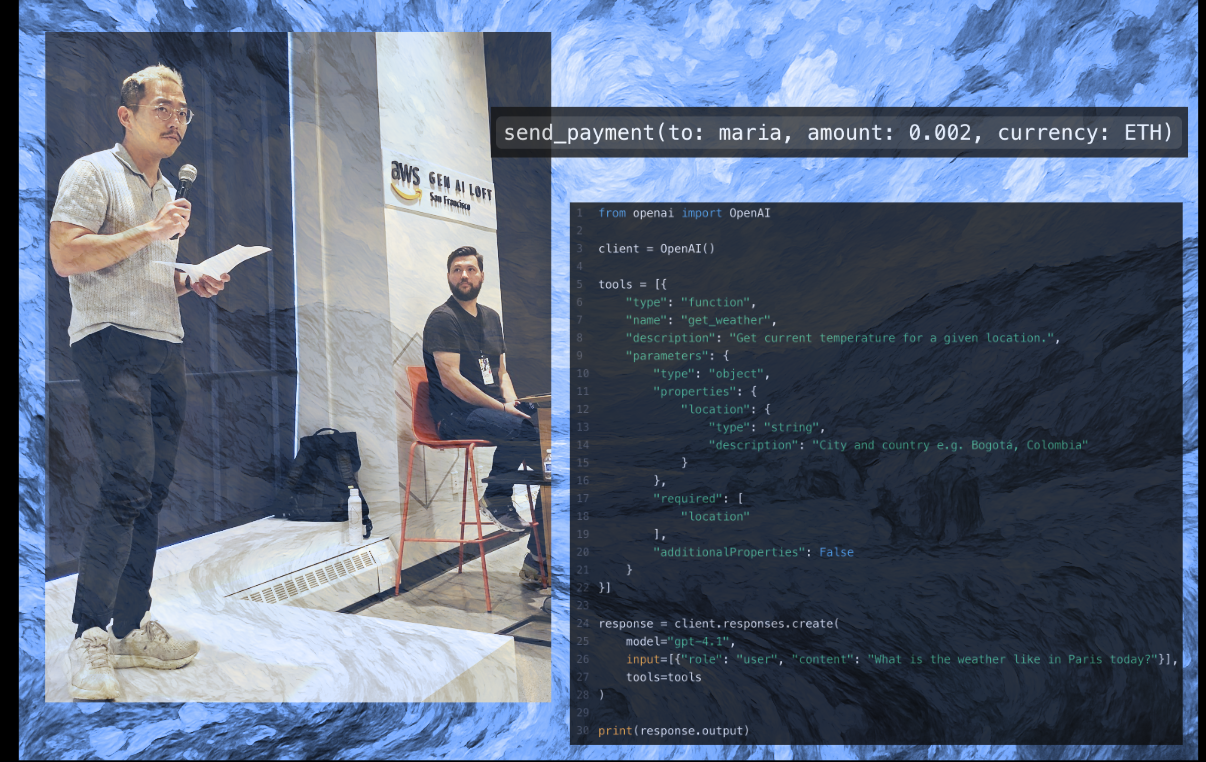
Edwin highlighted OpenAI’s partnerships with both Coinbase and Stripe:
-
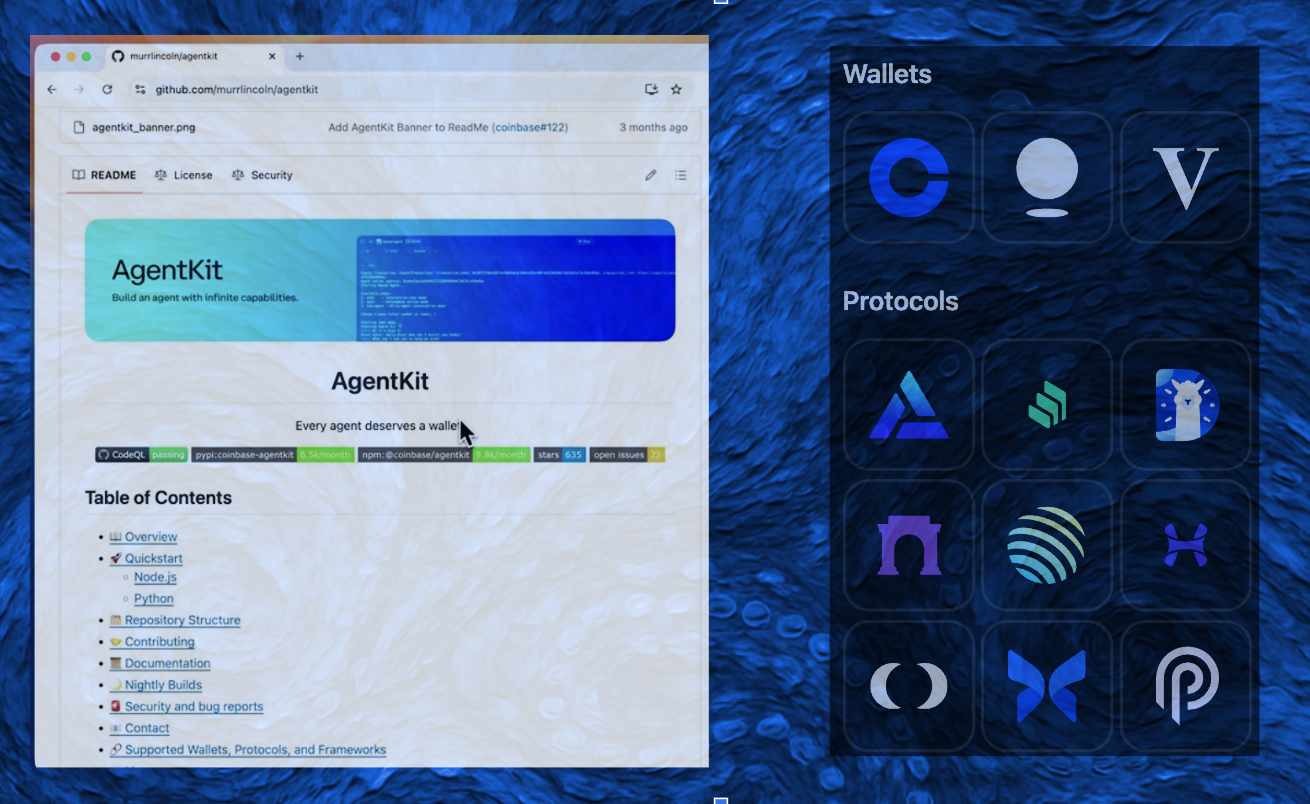
A two-month-old partnership with Coinbase that integrates with their Agents SDK
-
A collaboration with Stripe that “equips an agent with a credit card so you can let an agent pay for you”
On x.402 specifically, Edwin noted it was “too early” (just eight hours old) but promised to ensure OpenAI’s partnership team was aware of it.
Q: Are there initiatives to simplify payments overall?
While not directly answering for OpenAI, Edwin acknowledged that Stripe has a “quite large team called Revenue and Finance Automation” working on solutions as they’ve moved upmarket from simple checkout pages to enterprise needs.
Q: Would OpenAI soon have a marketplace with micropayment systems?
Edwin indicated that OpenAI is primarily relying on Coinbase and Stripe for payment infrastructure rather than building its own micropayment solution. He mentioned community.openai.com as a nascent platform for connecting AI builders, though not specifically for payments.
The Path Forward
Edwin’s closing message vibed deeply: “Keep on creating through this current chaos… You’re only one energy or one weird use case away from hitting the market, but you’ll only discover if you hang in there and keep experimenting.”
In times of uncertainty, this persistence and adaptability may be what separates the next Stripe or OpenAI from countless forgotten startups.
References:
developer.mozilla.org/en-US/docs/Web/HTTP/Reference/Status/402