May 1, 2025
At PayPal HQ in San Jose, the future of commerce wasn’t just discussed—it was redefined.
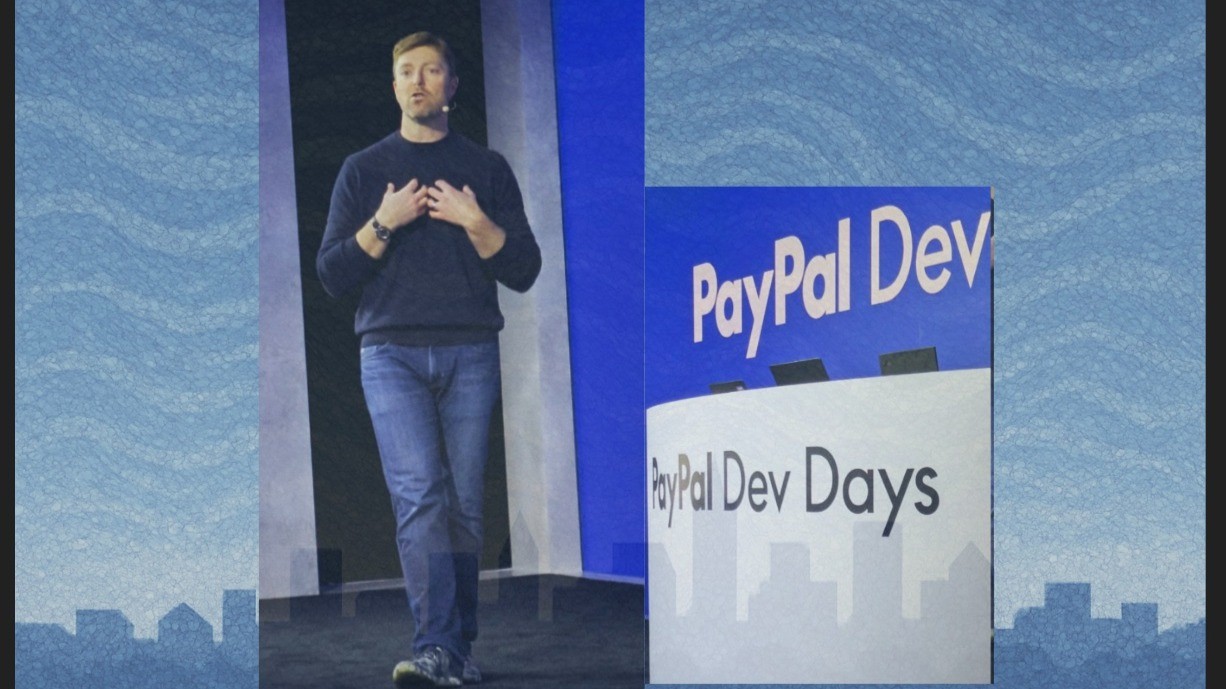
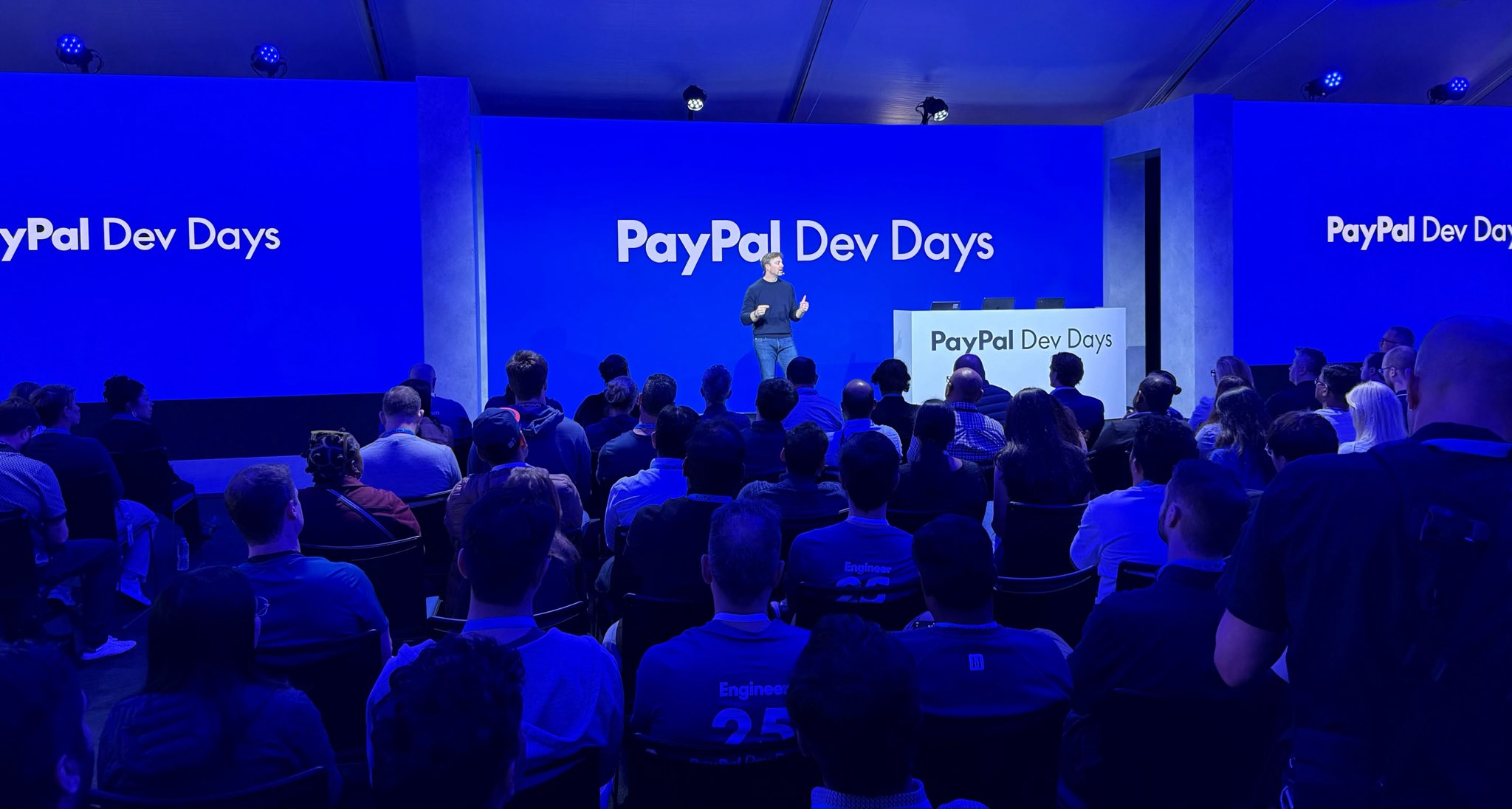
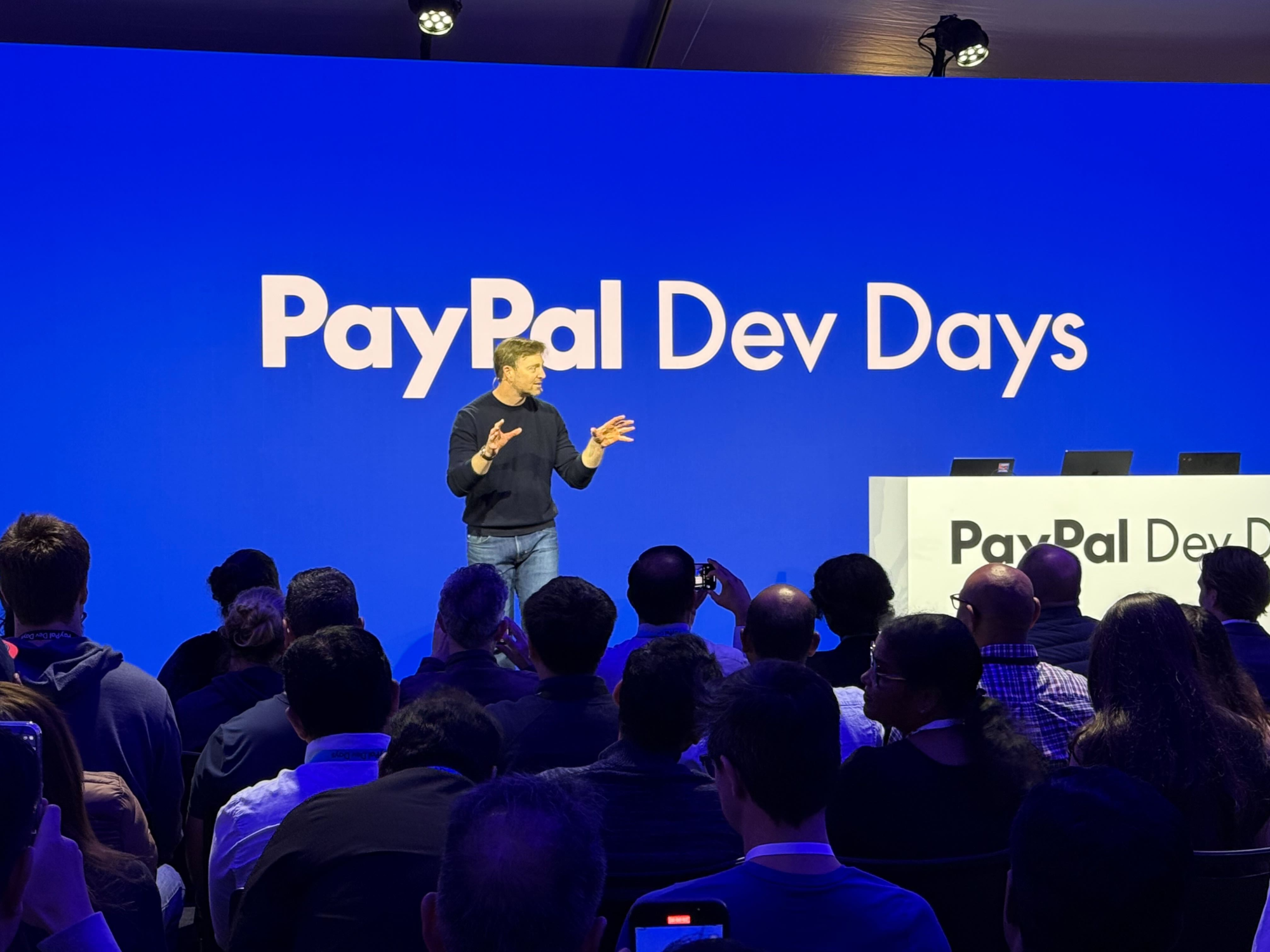
The third and final day of PayPal’s Developer Days kicked off with CEO Alex Chriss delivering a powerful keynote that positioned the company at the intersection of AI, platform innovation, and commerce. In a refreshingly authentic 30-minute conversation with developers, Chriss articulated how PayPal aims to become the foundational platform enabling what he called “the third chapter of modern commerce.”
In Brief
At PayPal Developer Days 2025, CEO Alex Chriss unveiled a bold vision for “agentic commerce"—a new chapter in digital transactions powered by AI and developer collaboration. Framing PayPal not just as a payments provider but a global platform, Chriss called on developers to lead this transformation. His keynote highlighted three pillars: personalized agentic experiences, a truly two-sided ecosystem, and an open invitation to co-create PayPal’s next-generation tools.
What is Agentic Commerce?
Agentic Commerce (n.): A new model where AI agents act on behalf of consumers and merchants—negotiating, transacting, and personalizing experiences in real-time without requiring constant human intervention. These AI agents understand user preferences, search across options, and complete transactions autonomously while optimizing for user satisfaction and value.
The Three Chapters of Commerce Evolution
Chriss began by placing the current moment in historical context, describing what he sees as the three distinct chapters in the evolution of modern commerce.
The first chapter centered on local commerce – geographically constrained but personally engaging. “Back 20, 30, 40 years ago, commerce really was revolutionized by the networks,” Chriss explained, noting how physical stores dominated this phase.
E-commerce formed the second chapter, which PayPal helped pioneer 25 years ago. This explosion of choice created unprecedented access but also overwhelming complexity for consumers faced with seemingly infinite options.
Now, Chriss positions us at the threshold of the third chapter: agentic commerce.
“I think we’re about to enter into that third chapter, which is agentic commerce,” Chriss said, describing a world where AI does the heavy lifting of commerce – leveraging data to personalize offerings while removing friction from the system.
PayPal’s Unique Position: The Two-Sided Ecosystem
Can anyone else truly connect both merchants and consumers?
What distinguishes PayPal in this emerging landscape is its neutral, two-sided ecosystem. According to Chriss, this represents the company’s key competitive advantage.
“I believe we are the only player at scale globally that’s ubiquitous and neutral, that doesn’t lock you into a device or lock you into an ecosystem,” Chriss emphasized. This positioning becomes increasingly vital as commerce evolves toward more personalized, AI-driven experiences.
By operating as a platform connecting merchants and consumers without tying users to specific hardware or closed ecosystems, PayPal aims to facilitate commerce that transcends traditional boundaries while maintaining the trust both sides require.
The Developer As Commerce Catalyst
What if Venmo became your next distribution channel?
Perhaps most compelling was Chriss’s reimagining of developers’ role in PayPal’s vision. Rather than positioning developers as mere implementers, he cast them as essential innovators who will shape commerce in ways PayPal itself cannot anticipate.
“Be bold, be brave. Go out and imagine what the future could look like,” Chriss urged the audience. “My imagination is just a fraction of what I know you all are capable of building.”
This perspective represents a significant shift from how payment platforms traditionally view their developer communities. PayPal is positioning itself not as a finished product but as the foundation upon which developers can build entirely new commerce experiences.
Q&A: Addressing Real Developer Concerns
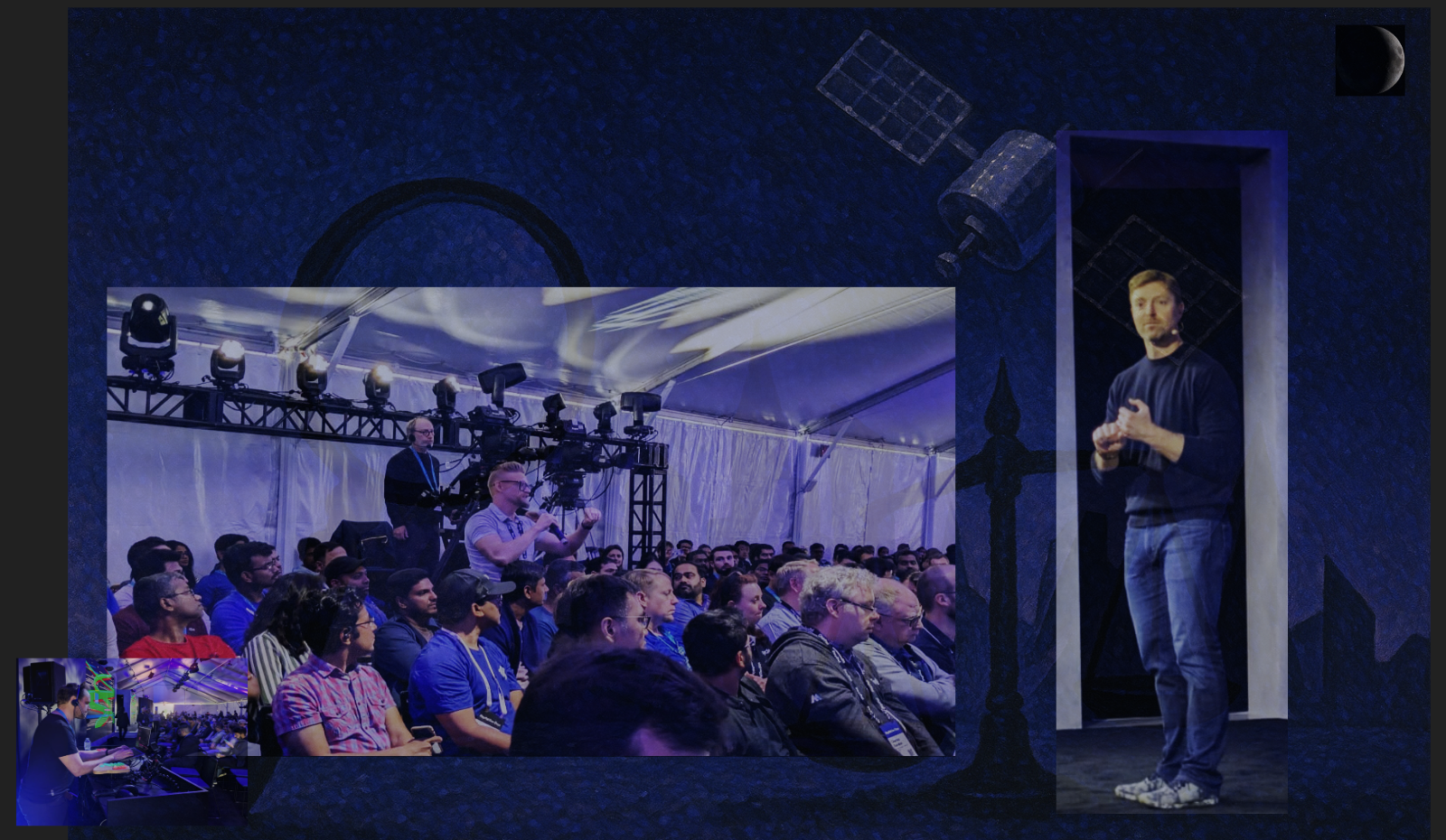
What made the keynote particularly valuable were Chriss’s responses to three audience questions that highlighted key challenges in the evolving commerce landscape.
1. Building Developer Distribution Channels
A long-time PayPal developer highlighted the challenge of distribution: after building on PayPal’s platform, how can developers gain visibility and reach users?
Chriss acknowledged this as a critical gap: “I’m sort of constructively dissatisfied about what PayPal has done over the last decade… we built up these two incredible ecosystems, but we’ve done it in a disjointed fashion.”
His solution? Opening PayPal’s consumer ecosystem to developers: “If we could open up Venmo as an app for you to be able to put your app inside of and get access to 62 million active highly valuable demographic users, how much faster could your app gain traction?”
2. Are Websites Becoming Obsolete?
When asked whether websites would remain necessary in an agentic AI era, Chriss shared observations of his children interacting with AI agents “as if it was their best friend.”
“It is not hard when you watch the next generation how they’re interacting with technology to imagine that websites will actually be weird,” said Chriss. He envisioned a future where natural language replaces typing and personalized AI agents respond intuitively to individual preferences.
3. Can Small Businesses Keep Up?
The third question addressed technological accessibility gaps between tech-savvy users and those barely using technology.
Chriss made a crucial distinction about where he sees the most concerning digital divide: “Small business is always the last to adopt technology… In a world where all of a sudden the shopping paradigm shifts… a lot of small businesses just figured out how to get their website right.”
He urged developers to consider this gap when building for the future: “Please keep that in mind about how you can provide them the tools and services so that they can compete.”
Building the Future Together
The keynote concluded with Chriss emphasizing that PayPal’s relationship with developers extends beyond these three days: “This is not just three days and then you go off… This is the beginning of a relationship.”
Reimagining the Commerce Development Ecosystem
Where does PayPal fit in the broader AI agency landscape?
PayPal’s vision doesn’t exist in isolation. It echoes a broader shift across tech—where companies from Microsoft to Anthropic are racing to create platforms for AI-native agents that act independently yet align with user intent. In contrast to siloed app stores, PayPal’s open, neutral ecosystem could provide the connective tissue these agents require for commerce transactions.
As PayPal positions itself for this third chapter, we’re witnessing not just a platform evolution but a fundamental transformation in who builds commerce solutions and how they build them.
The future of commerce development now exists at the intersection of three powerful forces:
-
Platform-Enabled Innovation: PayPal’s neutral, two-sided ecosystem creates unique opportunities for developers to build commerce solutions that work seamlessly across previously siloed environments. This platform approach enables specialized groups to form around specific commerce challenges—through hackathons, promptathons, and collaborative events that blend human creativity with generative AI.
-
Democratized Development: What’s particularly fascinating is how traditional development skills are being exponentially amplified as AI becomes more accessible. Product managers, designers, and domain experts who never wrote code are now creating sophisticated applications, agents, and workflows through natural language interfaces.
-
AI-Native Commerce: As agentic commerce emerges, entirely new communities are forming around building the tools merchants need to thrive in a world where AI agents participate in commercial transactions on behalf of consumers. These generative AI communities bring innovative approaches that simply weren’t possible before.
This democratization of “coding” is expanding the developer ecosystem in unprecedented ways, creating an environment where traditional developers and AI-empowered creators collaborate to deliver commerce experiences more personal, efficient, and inclusive than ever before.
https://bsky.app/profile/schwentker.bsky.social/post/3lo64ofjmos2i