Reflecting on a Pivotal Conversation, Three Years Later
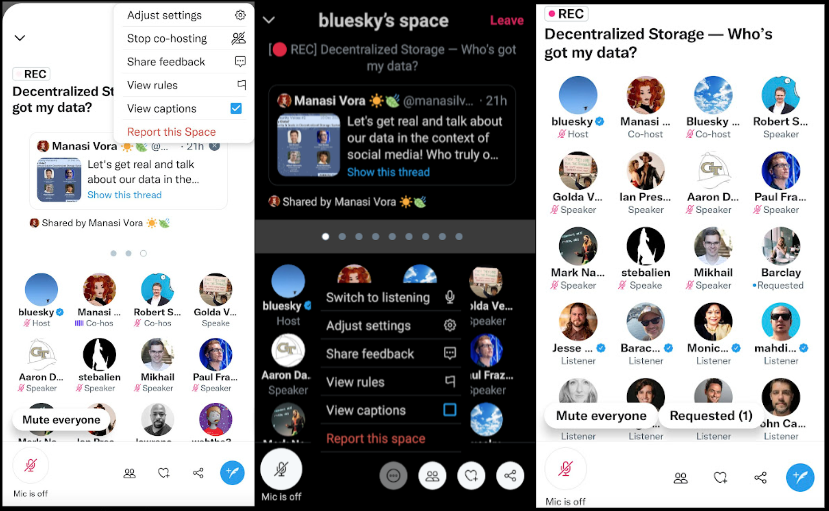
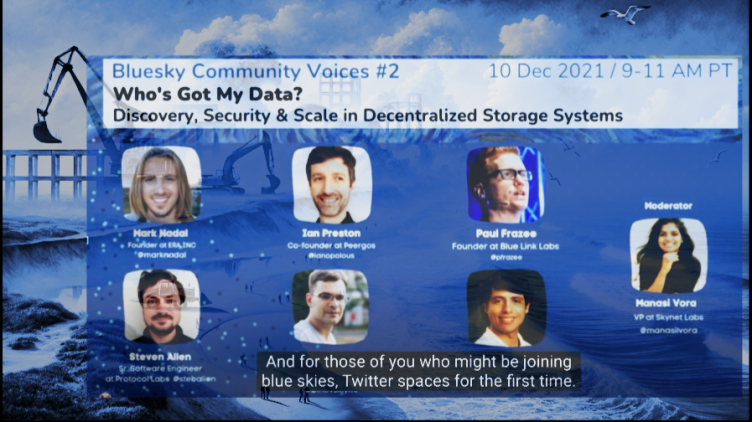
Three years ago, on November 10, 2021, pioneering voices gathered on TwitterSpaces for Bluesky Community Voices #2 podcast series to explore decentralized storage under the theme: “Who’s Got My Data?” This event became a cornerstone for discussing data ownership, privacy, and the trade-offs of decentralization. With today’s focus on trustless systems and user control, these insights remain more relevant than ever. Golda Velez & I co-produced this with executive producer & Bluesky Social founder Jay Graber
Here are some highlights from key contributors:
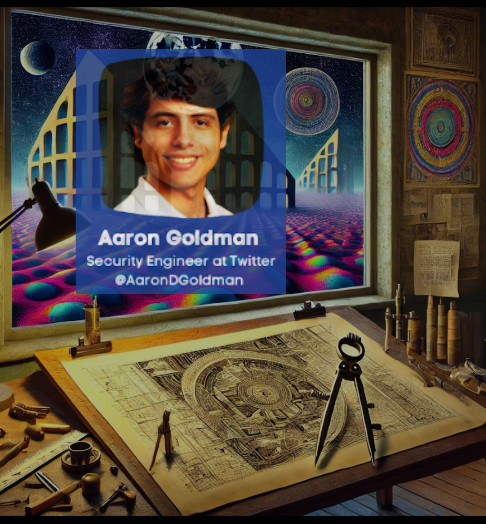
Aaron Goldman (Twitter): Framing the Challenge
Goldman captured the tension between centralized efficiency and decentralized autonomy:
“Can we do something with distributed storage where we get the best of both worlds—centralized power with user control?”
He emphasized the stakes with a pointed question:
“Consider Gmail shutting down tomorrow. Would you have the data you need to function?”
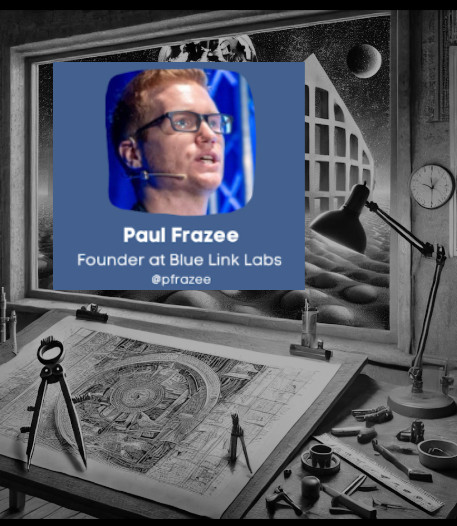
Paul Frazee (Blue Link Labs): Scaling Peer-to-Peer Networks
Frazee shared insights on how Secure Scuttlebutt’s follow graph approach scales social interactions:
“The follow graph approach ensures most social data is captured locally while staying manageable, offering a smart solution for scaling peer-to-peer networks.”
He also discussed combating spam:
“Dealing with spam in open networks often comes down to a reputation system. It helps decide what gets included when indexing data.”
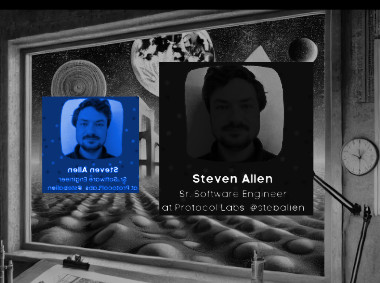
Steven Allen (Protocol Labs): IPFS & Privacy Challenges
Allen detailed the foundational principles of IPFS:
“In IPFS, data starts on your node, and encryption ensures that even stored data remains private.”
He highlighted a significant hurdle:
“One big IPFS challenge is balancing discovery and privacy. While encryption protects content, achieving metadata privacy in decentralized systems is still incredibly difficult.”
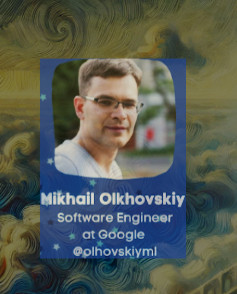
Mikhail Olkhovskiy @ Google A Practical Encryption Hack
Olkhovskiy proposed a pragmatic approach to improving privacy even with centralized servers:
“A simple trick to quasi-decentralize your data: encrypt your data before uploading it to multiple providers like Dropbox or Google Drive. This ensures high global availability while keeping your data private.”
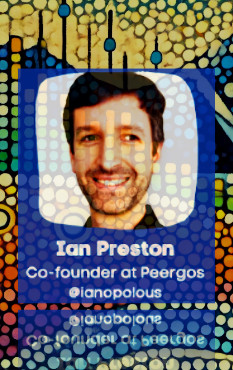
Ian Preston @ Peergos : Enabling Privacy Through Encryption
Preston emphasized the foundational role of encryption:
“Privacy is a super deep and difficult topic. Table stakes are end-to-end encryption. It prevents ciphertext retrieval without permission. Combined with decentralized discovery, it goes a long way toward enabling privacy.”
Mark Nadal (Gun): Decentralization as a Quest for Truth
Nadal articulated a vision for decentralization:
“The decentralized internet is humanity’s shared question for truth. By enabling global inquiry unfiltered by central authorities, we preserve the cultural diversity and creativity that define our world.”

Reflections from the Moderator: Manasi Vora (Skynet Labs)
Manasi Vora, CFA expertly guided the discussion, highlighting trade-offs in storage scalability, privacy, and usability, and setting the stage for meaningful debate:
“We traded ownership of data for cheap, scalable cloud storage. How do decentralized systems reclaim user control without sacrificing efficiency?”
Looking Ahead
The ideas discussed three years ago continue to inspire today’s work in decentralization and trustless systems. As Bluesky evolves, these pioneering conversations remind us that empowering users with control over their data is not just a technical challenge but a fundamental societal mission.
What are your thoughts on the trade-offs of decentralized storage? How can we balance scalability, trust, and user autonomy?
Let’s continue the conversation in the Bluesky. 🚀 #Decentralization #DataOwnership
Series two of @dsocialcommons podcasts before Bluesky launch: https://youtube.com/playlist?list=PL8qteo1_9Q6qIw8YVJ_nRmaLO5dhDzXA7&si=VFTOwUYSpIfH-2FG